Phase 3: Proposal Development
Supporting Community Priorities on the Ballot
Key Skills
- Planning
- Project Management
- Facilitation
- Training
At a Glance
After idea collection, you will be left with hundreds, if not thousands of ideas! Each one reflects the opportunities you created for community input
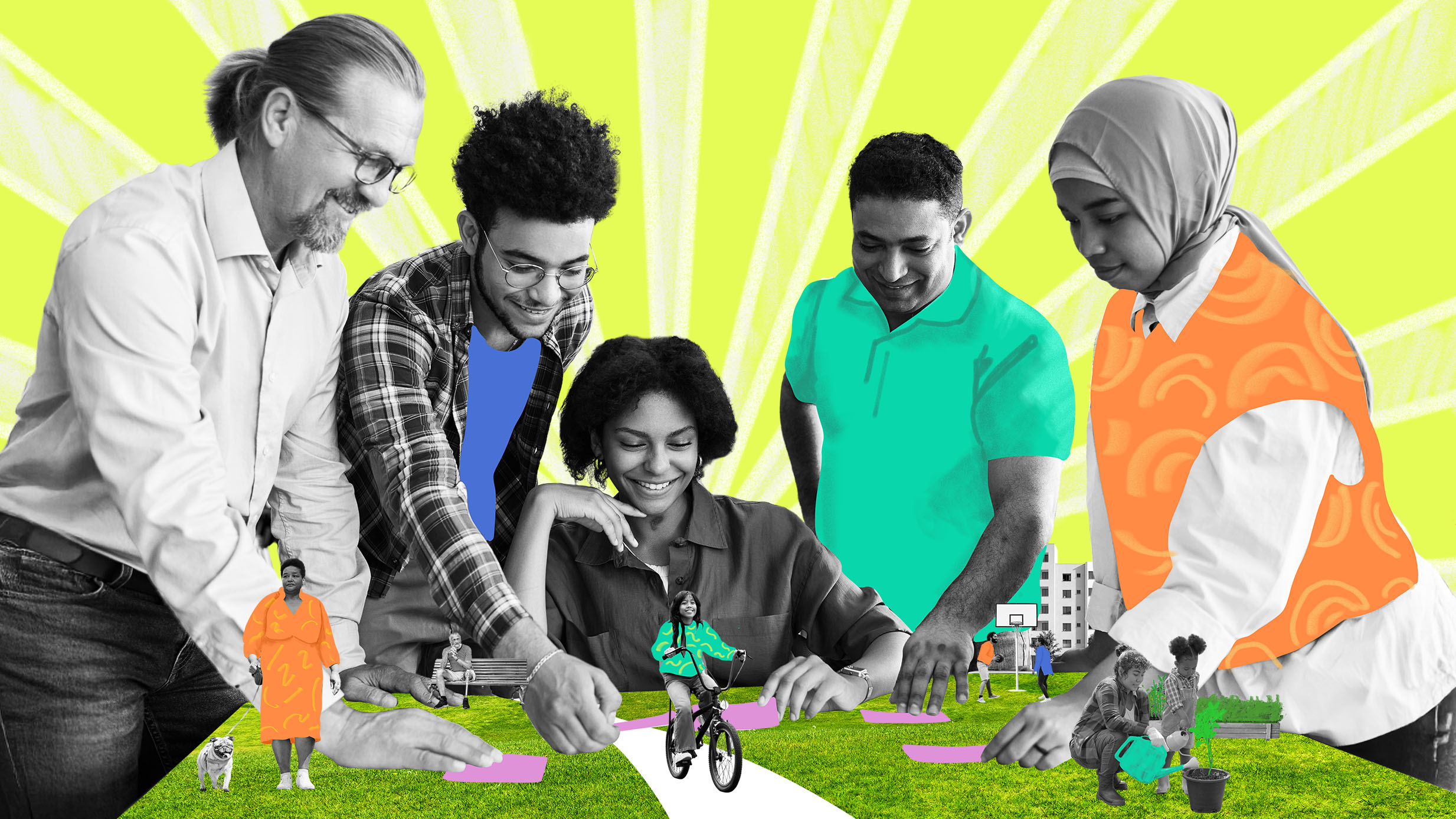
Now it’s time for Proposal Developers (sometimes called “Budget Delegates”) to work together and decide which ideas to research and turn into full proposals. This is the phase where community members collaborate most closely with the government or implementing entity.
Proposal development can be one of the hardest phases to wrap up on time because of the many moving parts. Developers will draw on community feedback, local knowledge, and institutional input to choose ideas that are both impactful and feasible. We recommend allowing at least three months for this phase so decisions are thoughtful and no one feels rushed.
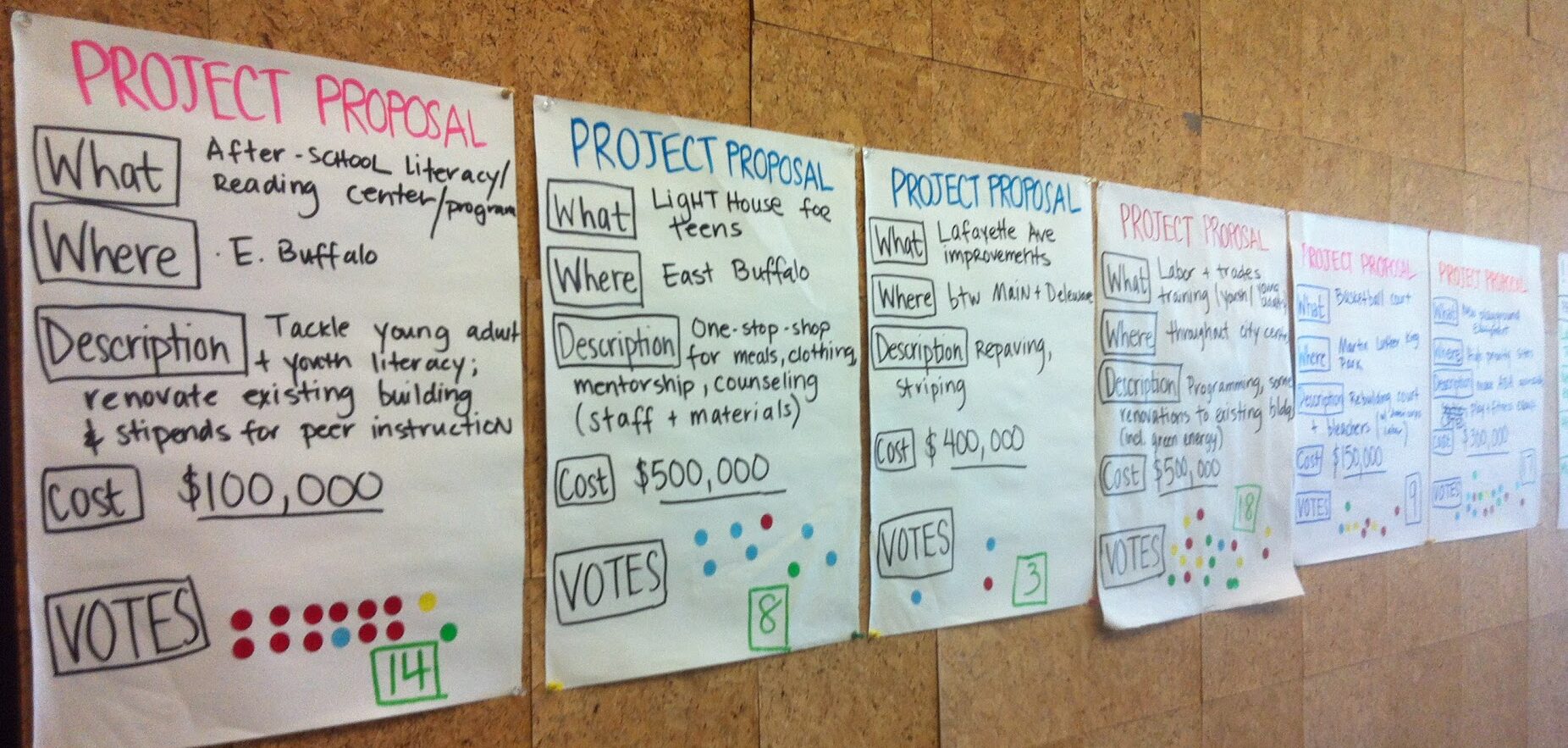
A successful proposal development process is measured by how well the final proposals reflect community needs and by the experience of Proposal Developers working with each other and with the government. Success depends on making it easy for developers to prioritize, research, and finalize proposals - and for facilitators to guide them. A clear workflow for vetting ideas and sharing information with Proposal Developers is equally important.
*Note: Participatory Budgeting, from its beginnings in Brazil, relied on Proposal Developers, (a team of residents who were not part of the government or institution implementing PB). Since then, Proposal Developers have been an integral part of ensuring PB is a community-driven process where resident needs (as stated by residents and not governments/institutions) are reflected on the final ballot.
Some PB processes have opted to use other structures to develop proposals due to various constraints or specific context–including when the process is focused on programs and services (instead of capital budgets that will produce proposals in the built environment). In these instances, local organizations may act as the Proposal Developers because of their expertise in the subject matter, or the fact that they are well positioned to run the program. For example, if there are a handful of organizations who already provide mental health programming, it makes sense for these organizations to develop the details of the proposal. They have an intimate understanding of their specific communities, current programs, and their gaps. They would also be well positioned to write a proposal that they can realistically implement.
The majority of PBP-supported processes have involved the traditional model, which focuses on working with individual residents (not organizations) to research ideas and turn them into concrete proposals. This is one the safest ways to ensure the PB process is community-led (as opposed to being run by local institutions). It also brings a wealth of opportunities for governments and institutions to learn from their residents, and for residents to learn about the programs, services, or projects already taking place. This chapter has been written according to that model. We recommend you read the rest of this chapter and later check out our “"Guide to Ensuring Proposal Development is Community-Driven if you are thinking of making a change to this part of the process.
Ready to Get Started?
The PB Handbook gives you everything you need to plan, train, and run a successful participatory budgeting process. Subscribe to access all six chapters, customizable templates, quarterly office hours, and a community of PB practitioners across the country.