
Phase 4: The Vote
Engaging Communities to Decide How Funds Are SpentKey Skills
-
Outreach & communications
-
Event planning
-
Collaboration & partnership management
-
Project Management
At a Glance
Once project proposals are finalized, you are ready to launch the exciting final phase of outreach and engagement: the vote! The vote phase, typically spanning a 2-4 week period, will give eligible community members the promised opportunity to directly decide how the funding for PB projects will be spent. From planning to proposal development, all of the hard work that community members have done has led up to this vote: the moment for community members to exercise real power over real money.
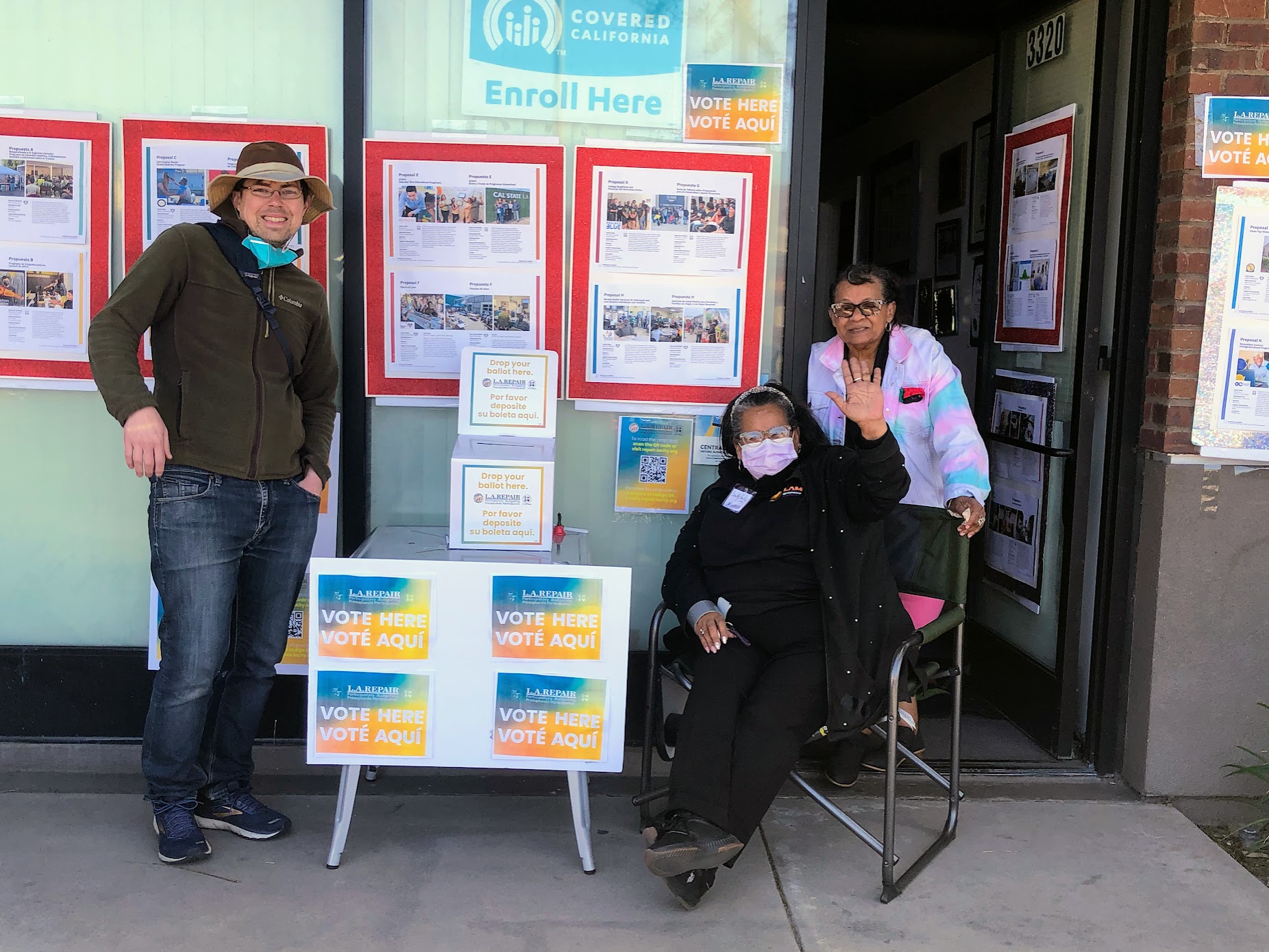
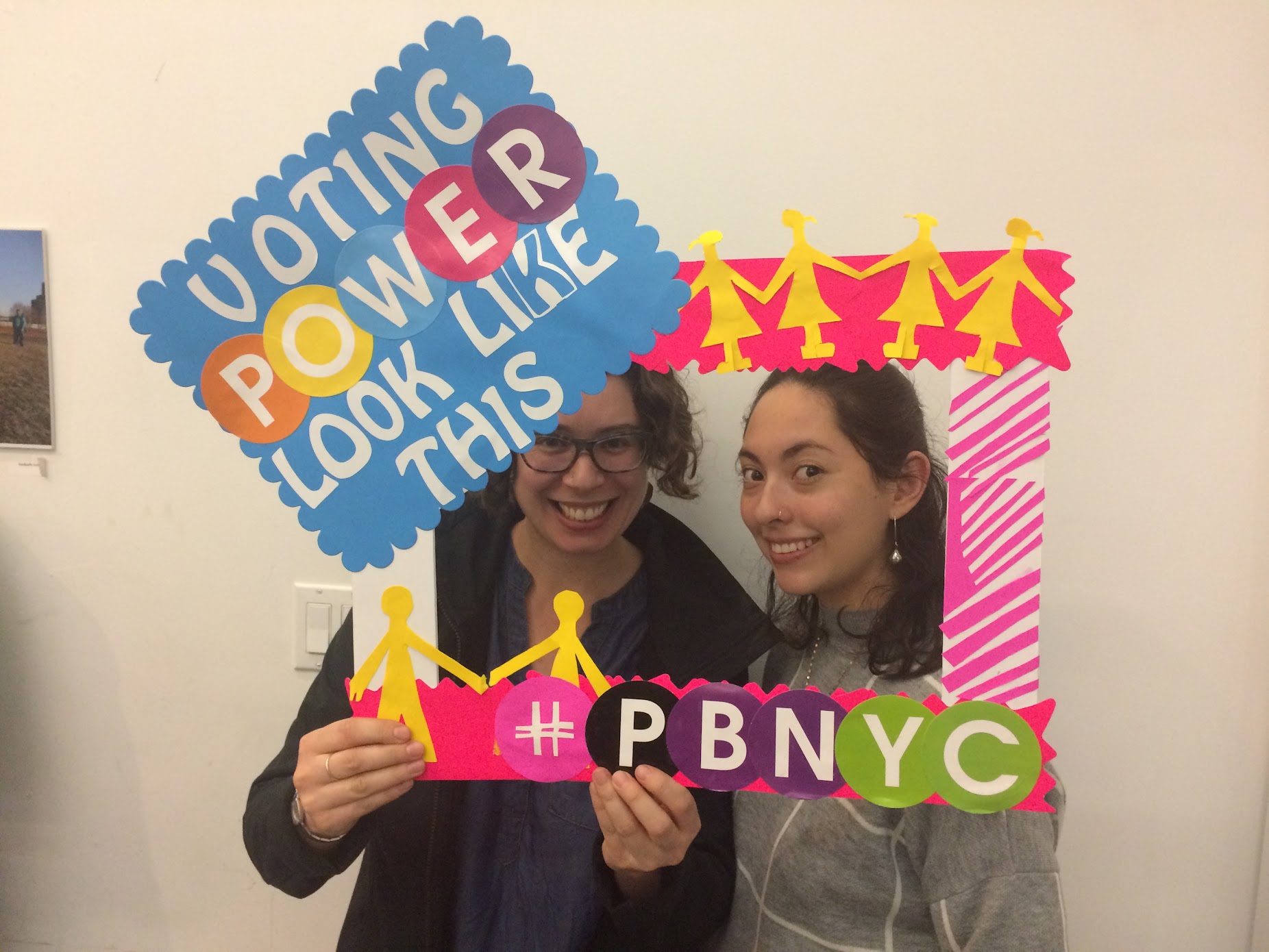
The vote phase should be fun! It’s an opportunity to celebrate the process, people power, and the community members who made PB happen with participating communities, neighborhoods, and organizations. This can be done by setting aside event resources (from your PB operations budget) for food, activities, decorations, and incentives for the vote phase. The most direct way to facilitate a successful vote phase is to build participation and engagement into every phase of the process. Centering these two practices creates the kinds of experiences that participants will feel excited to share with their communities and affirm through their vote. Like in idea collection, activating relationships and partnerships with community leaders and organizations will be the key to having a broad reach. The easier you make it for them to support the process, the deeper the impact, & the more community-led it will be!

Goals
- Communicate project proposal details and implications: To help voters make informed choices, share clear information about each proposal. You can host events with Proposal Developers to share details about the projects on the ballot, and share a voter guide.
- Facilitate community members’ participation in the vote: Just like the Idea Collection phase, organizing the vote involves engaging as many community members as possible, especially those who face barriers to civic participation (such as youth, the unhoused, undocumented, currently or formerly incarcerated, disabled, and elderly community members). It’s important to activate partnerships with local organizations & facilitate their ability to engage the people they serve in the vote.
- Educate community members about the PB process & continued ways to get involved: During the vote, journalists or residents may ask how votes are counted, what happens if winning projects exceed the budget, and how you prevent double voting. You can prepare a Q&A guide in advance to answer these questions. The vote is also a good time to teach people about PB, especially since this may be their first experience. If PB happens every year, share how they can join next time. Provide flyers, QR codes linking to your PB platform, and collect contact information from those who want updates.
- Facilitate fun and engaging vote activities: Celebrate the hard work with the leaders and participants who shaped the process along the way. Voting doesn’t have to be serious business. You can have a party!
Planning
There are four key aspects to planning the vote phase:
 PB voting differs from traditional elections in important ways that should be clearly explained
- Eligibility criteria will likely differ: Eligibility to vote in PB will likely be different than in traditional elections. Because PB is designed to be inclusive, Steering Committees often allow youth, undocumented residents, and those currently or formerly incarcerated to vote, so their voices are heard. Share these rules clearly in outreach materials and provide printed copies of the guidebook the Steering Committee developed at in-person events
- Verification methods will likely differ: instead of registration or proof of eligibility, voters typically sign a short oath confirming they meet the criteria and haven’t voted already.
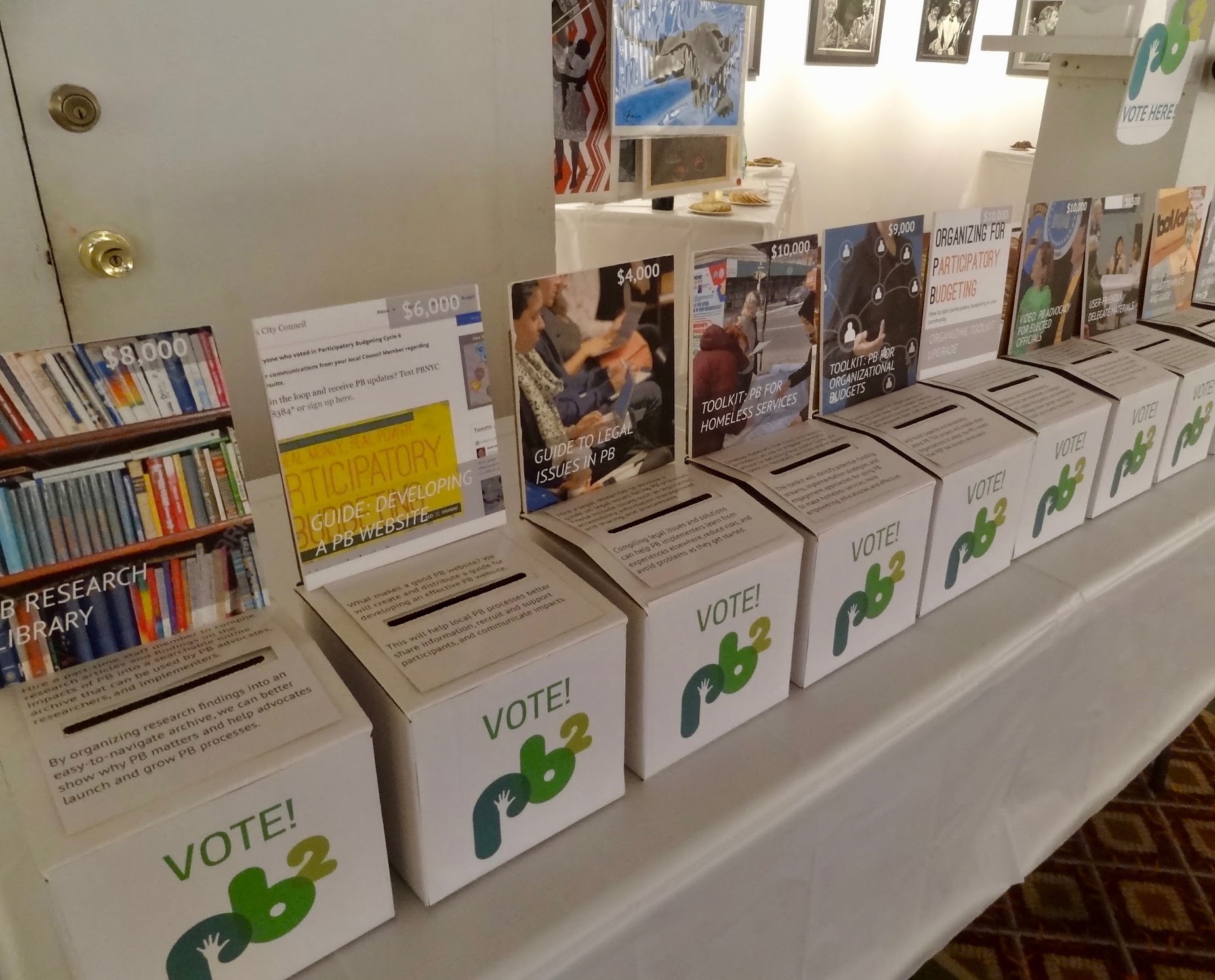
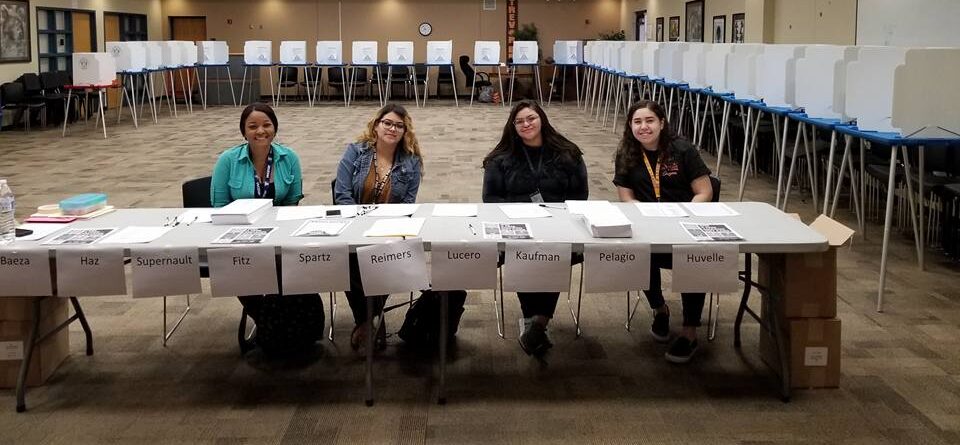
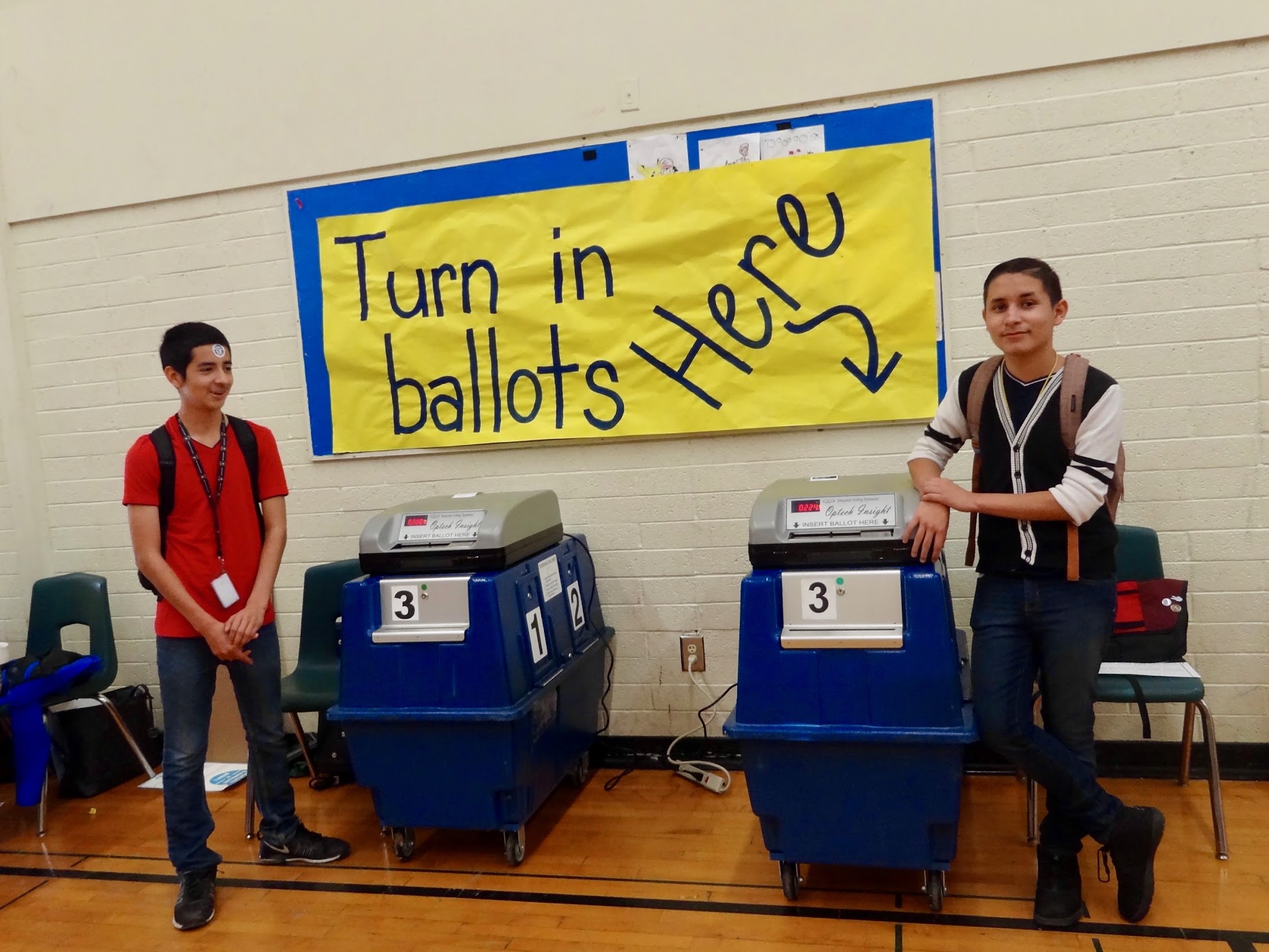
- Voting can take place in-person and online: PB usually offers both in-person and online voting. In-person options often include community events at local spaces and organizations, pop-up voting tables, and other outreach activities, along with fixed polling sites.
1
Setting up the ballot, voting methods and materials
2
Coordinating voting events & engagement strategy
3
Planning outreach and communications
4
Organizing how you’ll count paper ballots
The vote might last a couple of weeks to a month, but give yourself a couple of months to get everything ready due to the coordination involved.
 Digital voting does not replace in-person, paper ballot voting, which brings communities together, celebrates the process, and reaches people who may not know about or have access to digital options.
1. Setting Up The Ballot, Voting Methods, and Materials
Ideally, you’ve already chosen your voting methods in the planning and design phases, and decided whether to offer both paper and digital options. Digital voting is now common in PB because it improves accessibility, especially for people with limited mobility or busy schedules. Offering both options makes the process more inclusive.
If you used a platform that can host an entire PB process like Decidim to collect ideas, you can design your ballot and launch voting in the same system (with help from their team if needed). If not, decide whether to use a voting platform. People Powered’s Digital Participation Platform Resources offer guides, ratings, and tips to combine digital and in-person engagement.
Another option is the Stanford Participatory Budgeting Platform – a free, open-source PB voting tool that supports various voting methods (ranked choice, approval, and knapsack). Work with their team to customize features like eligibility verification and preventing duplicate votes to ensure integrity. You can explore an example of a digital PB Ballot using the PB Stanford tool through Chicago’s 49th Ward’s participatory budgeting process
How will vote materials be designed?
Do you have the skills and resources in-house for formatting and design? If not, budget for outside support for the ballot and voter guide. For digital voting, PB Stanford offers free infrastructure and templates.
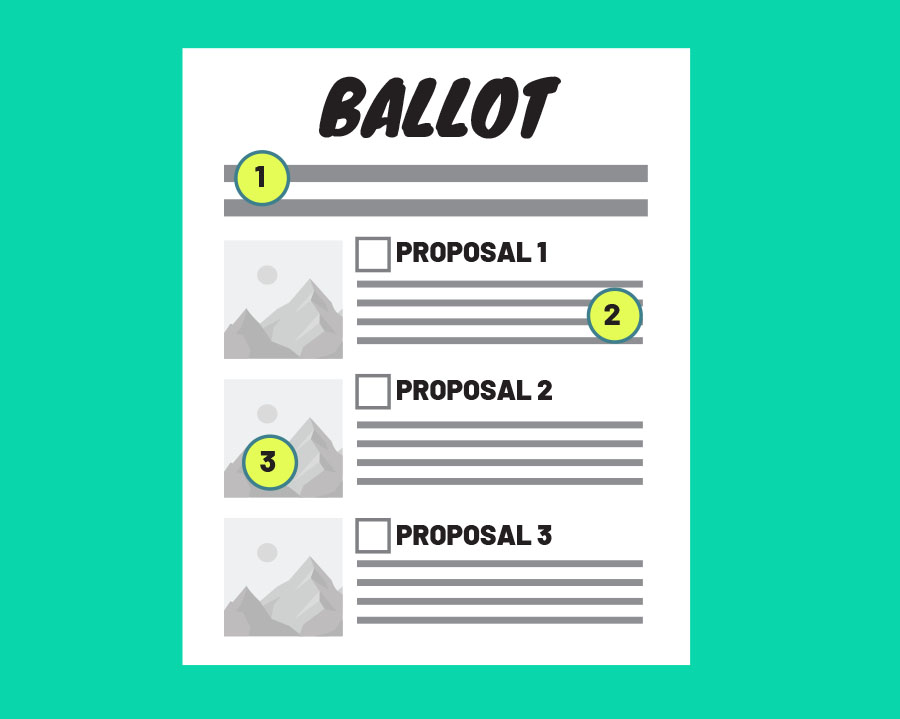
Some tips to design your ballot:
- Start the ballot with short instructions so voters know how to fill it out correctly.
- Keep proposal descriptions similar in length and include the same information: name, description, who benefits, anticipated impact, location, and cost.
- Use pictures when possible to clearly show the proposal and engage voters.
Make sure to test both your digital and physical ballots for accessibility (with a focus on instruction clarity), and consider using your Steering Committee for this user testing.
What Other Materials Might You Need to Facilitate The Vote?
Materials typically used by your implementation team & community partners during the vote include:
- Voter Guides (digital and paper) – a resource that contains more information on the process and each project proposal.
- Event Facilitation Guides (if you are holding your own PB events and will have volunteer support)
- Evaluation Surveys (surveys for participants to complete after voting that gauge their experience in the process and demographic questions to inform the process evaluation). You can review the Guide to Evaluating Your PB Process to help you choose the questions for your voter survey.
- Ballot boxes (to collect paper ballots). These should be distributed to community engagement partners
- 1-pagers about the PB process and/or FAQ sheets
- Outreach collateral (social media assets, flyer templates, talking points about the pb process)
2. Coordinating Voting Events & Engagement Strategy
Just like idea collection, voting needs a plan that makes participation easy for everyone. Build on the strategies that worked well during idea collection, and tap into government resources like outreach staff, libraries, and schools, but don’t stop there!
Now’s the time to supercharge your partnerships. Ask community groups to host voting events where they can use their programs, gatherings, and trusted relationships to bring PB to where people are. Make sure your outreach hits the communities your Steering Committee prioritized by cross-checking your partner list and the people they serve.
Support Your Community Engagement Partners
Make sure Community Engagement Partners (CEPs) have the time, compensation, and information they need to spread the word effectively and host voting events. Schedule a training to go over online voting instructions, and steps to handle and return physical ballots. Make sure you give them materials where they can find all the information they need quickly and efficiently. The easier it is for them, the farther your reach will go!
Why In-Person Events Matter
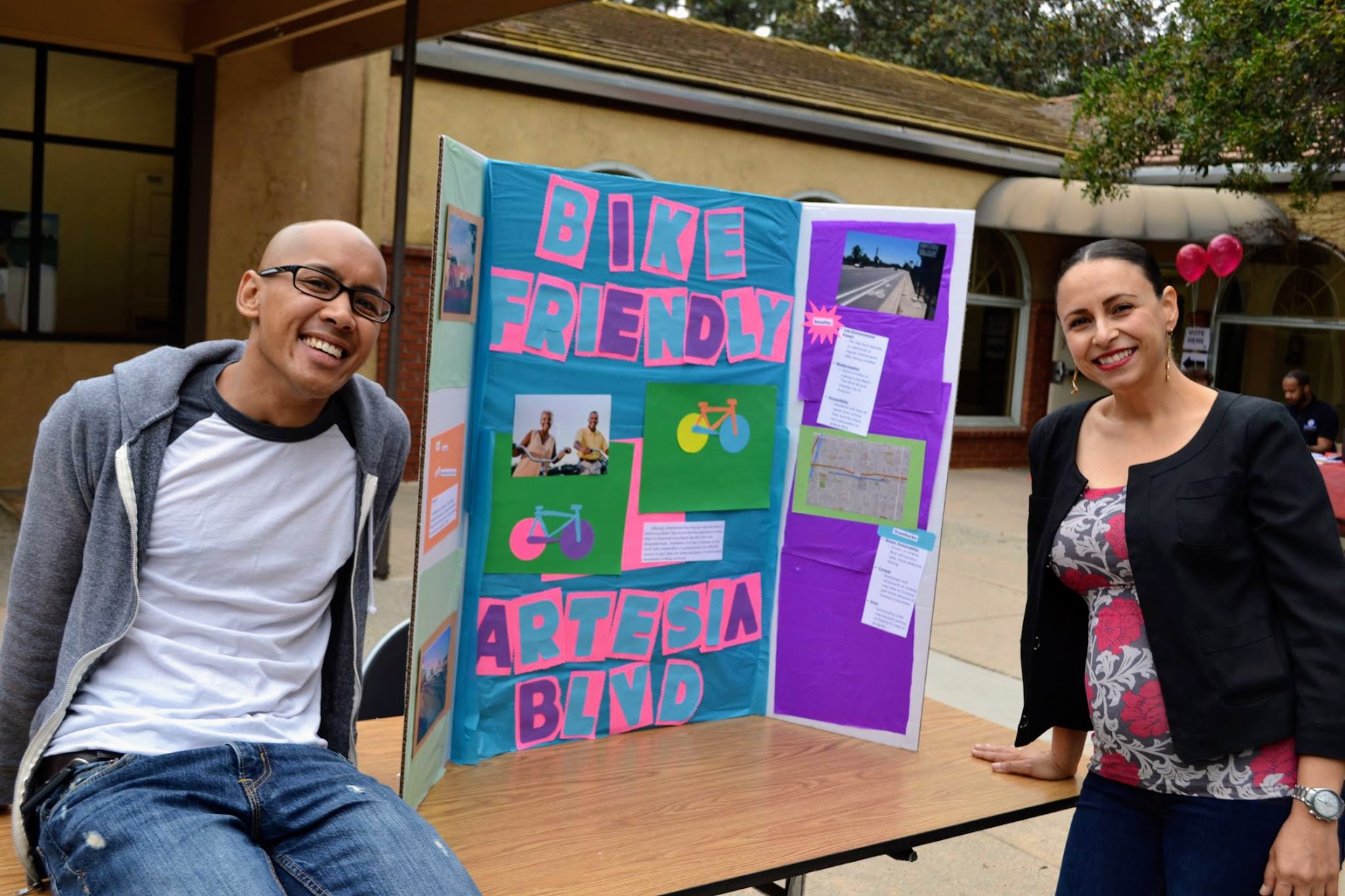
Most outreach will happen through in-person voting events. These gatherings make voting feel festive, build community, and meet people where they are in daily life.
Ideas for In-Person Voting:
- Set up tables in public places like parks, libraries, and community centers
- Ask partner organizations to staff voting stations in their offices
- Host bigger events like block parties with booths, speakers, food, and childcare
- Add voting sessions to existing community programs
Kick Off with Energy
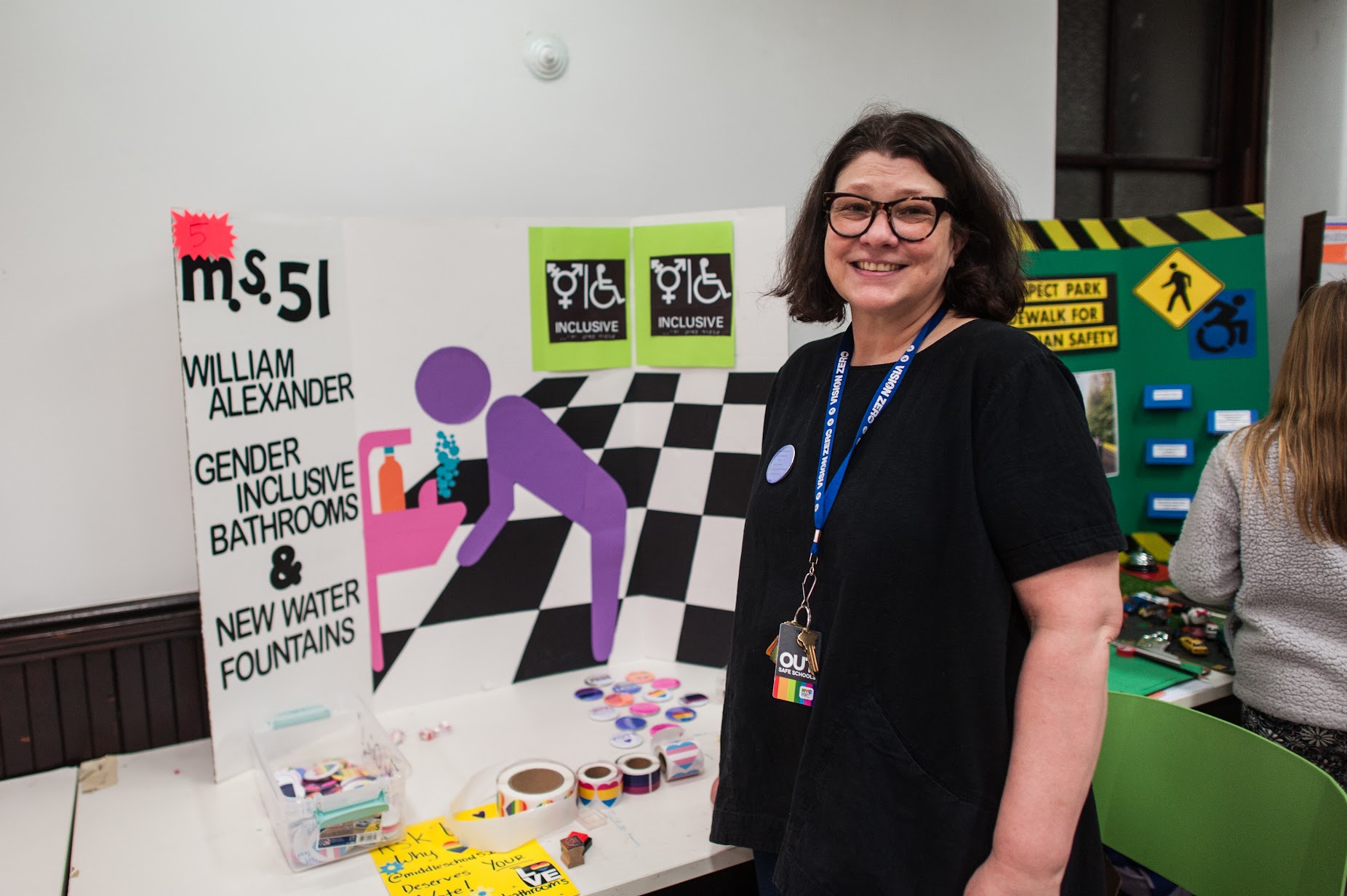
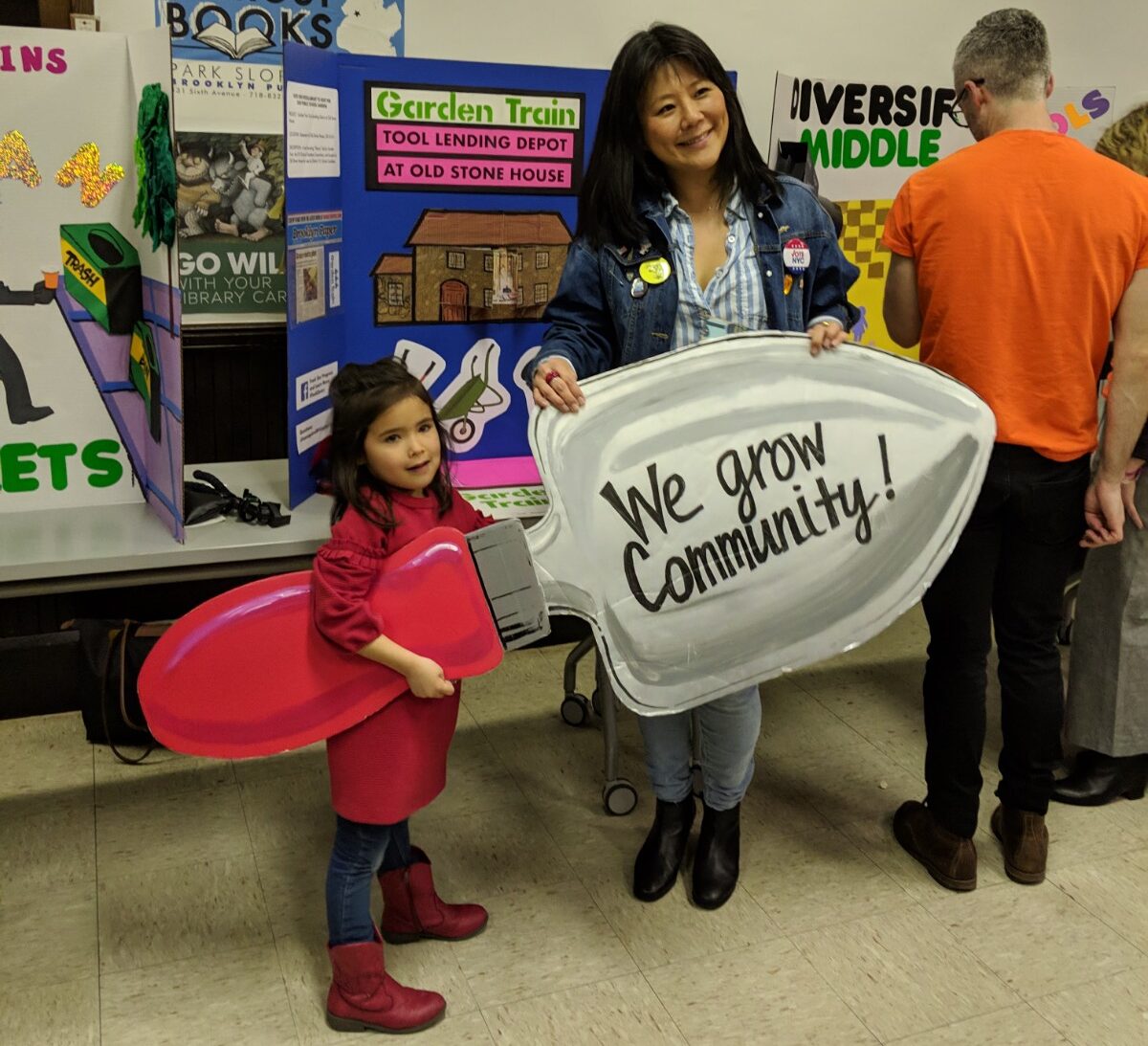
Many PB voting phases start with a big, in-person proposal fair. These events let past participants reconnect, explore proposals, and celebrate together. They build excitement and momentum, but remember, they may not reach new folks who face barriers or don’t know about PB.
Get Creative!
We’ve seen voting events like skating nights, community dinners, and more. Voting can happen anywhere and can tap into any theme. Make it fun and inviting! Your community engagement partners will likely be good at making PB their own.
3. Planning Outreach & Communications
Plan Your Communications Campaign
As you prepare to decentralize PB voting events, your main task is to design a communications plan that clearly promotes all voting options (online and in person) and builds excitement. Start by reviewing the outlets your Steering Committee suggested during the Design phase and the outreach methods that worked during Idea Collection; then expand from there.
Key Planning Steps:
- Decide where and how to share the schedule of in-person voting events (e.g., your website or PB platform).
- Plan to coordinate social media with partners and repost their content.
- Identify local media contacts and other channels, like school district platforms.
- Develop a theme or story for the PB process to make messaging compelling across different mediums.
- Create a social media toolkit for partners with images, QR codes, and key messages to streamline outreach
Advertising
If you set aside an advertising budget at the beginning of the process, plan your ads carefully and use the remaining funds to promote the vote. Putting yourself in the shoes of different community members will help you decide where to place ads so they make the most impact.
Don’t Forget the Big Finale
Plan ahead for your results announcement. A joyful event with engagement partners, residents, and local media to celebrate together is a great way to close the vote. You can use the event to share what happens next including project timelines, where to track progress, and when the next cycle begins!
4. Organizing How You’ll Count Paper Ballots
Plan how you’ll collect and count paper ballots. Build a timeline that includes pickup and counting before the results announcement. If you expect a lot of ballots, recruit government staff or volunteers to help.

Training
Training needs during the vote phase are lighter than earlier stages, but still important.
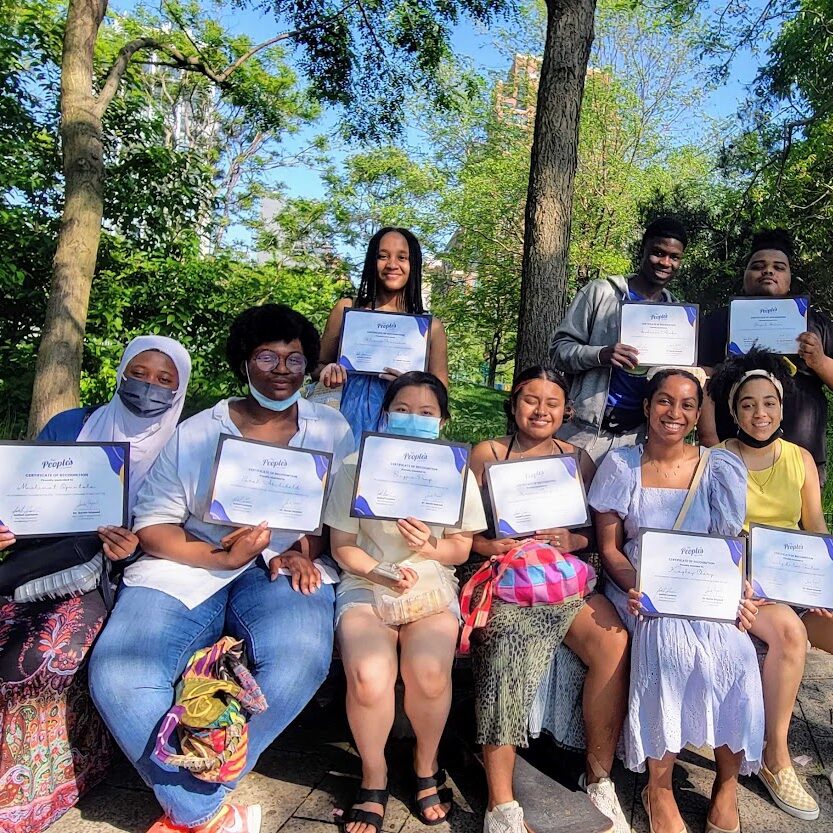
Community Engagement Partners
Train Community Engagement Partners to explain:
- Who can vote
- How to vote (online and in person)
- What to do with ballots after events
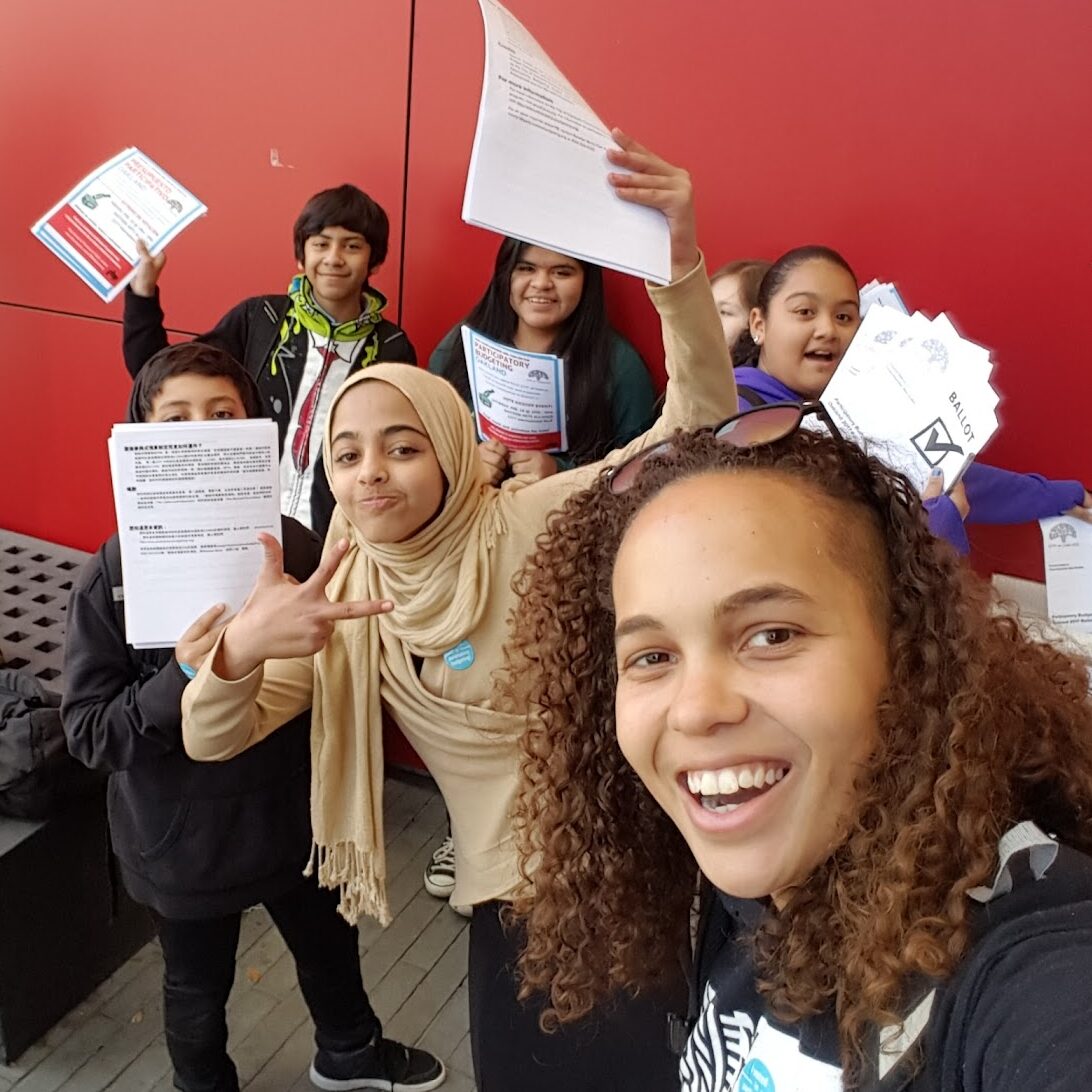
Staff & Volunteers for Main Voting Events
If you’re running your own voting events make sure training for staff and volunteers who will help you run the event understand:
- The event agenda
- How to answer common questions about the PB process
- Guide people through the voting process
For both of these trainings, it’s helpful to build practice time into pitching the vote as it’s not uncommon to station staff or volunteers outside the main event to further engage people passing through the area. Practicing this pitch helps ensure information is communicated accurately and naturally.
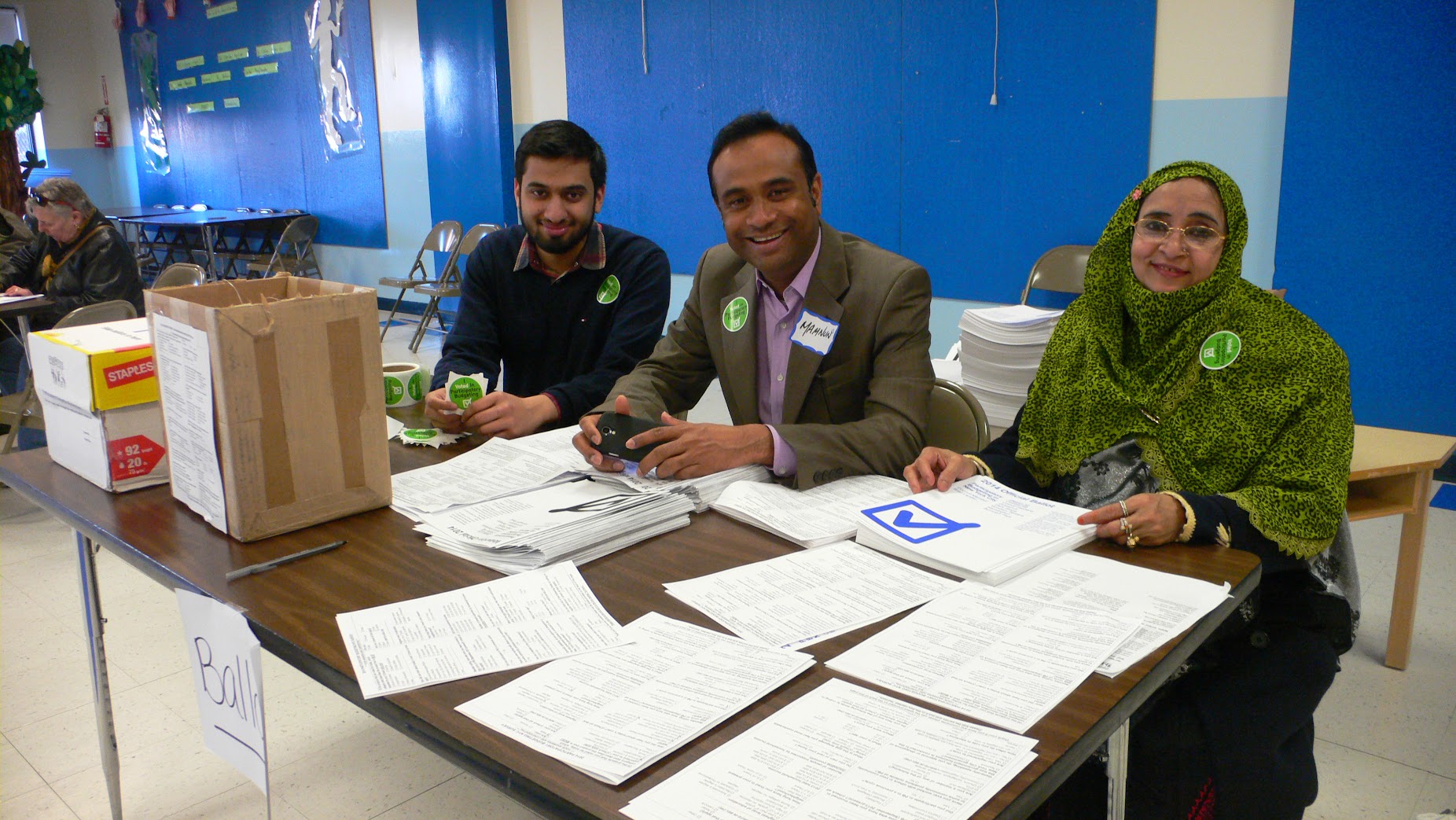
Ballot Counting
Training staff or volunteers on the process you need them to follow to count ballots will likely be self explanatory and can happen during your ballot counting session(s). What’s important is for them to follow the process so mistakes (like double counting ballots) are avoided.
Implementing
If you spent a good amount of time planning your outreach and engagement strategy, implementing it will likely be straightforward. You’ll want to make sure you keep a close ear to the ground and monitor your emails in case you get questions from community engagement partners, residents, or the media so you can respond promptly. You’ll also want to monitor social media so you can repost any partner’s or resident’s activity to give more visibility to both the process, and their involvement in it!
This can be a time where media visibility can peak. On rare occasions, opponents of the PB process may surface to seek coverage. Point them to the process FAQ document, your website, and answer questions promptly so the information they report is not misinformed. Most of the time, media engagement is positive, helping to reach more people and encourage participation.

Looking Ahead
Congratulations on wrapping up an entire PB process! Opening up government and institutions and engaging residents in community-led decision-making is a transformative achievement. After wrapping up the cycle, it will be important to 1) evaluate the process to understand the type of participation that took place and what can be improved, and 2) communicate what will happen during the project implementation phase.
If this cycle was a pilot process, you may also need to engage in advocacy activities to secure the resources needed to make this an annual process.
Evaluating the PB Process
It’s essential to evaluate participants’ experiences throughout the PB process. This helps identify what worked well (so you can build on it) and what could be improved for the next cycle. Evaluation ensures PB stays true to its core principles. For first-time processes, evaluations can also strengthen advocacy to help make PB an annual program.
Ideally, the evaluation is led by an external, independent evaluator, often from a local university or research organization. Some PB processes hire evaluators, while others partner with academic or citywide research institutions. If your budget doesn’t allow for this, it’s still important to conduct an evaluation internally.
A strong PB evaluation includes:
- Participation and demographic data from surveys at idea collection and voting events.
- Qualitative data from interviews, focus groups, or debrief conversations with participants and stakeholders.
- Assessment of goals for the process (often set by the Steering Committee).
Consider incorporating Participatory Action Research principles, like involving the community in shaping evaluation goals early on, often through a Steering Committee meeting at the start of the process.
Evaluation should happen throughout the process, not just at the end. Evaluators should engage in every phase. For detailed guidance, refer to the Guide to Evaluating the PB Process.
Finally, plan a debrief meeting or focus group with the Steering Committee and Proposal Developers to discuss their experience throughout the process. Community engagement partners can also provide feedback through interviews or attend this meeting. Once the evaluation report is ready, share it widely to close the feedback loop and build trust.
Identifying Project Implementation Process & Communicating With The Public
Once the implementation phase begins, it’s easy for communication with the public to slip, especially as different government agencies take the lead on implementing projects under their purview. That’s why it’s crucial to clearly define how project implementation will work, and the role of the agency that hosted the PB process.
Typically, that agency is responsible for sharing project updates with the public.
A strong communication strategy can look like:
- Project maps showing location and implementation status. The PB Cambridge map is a great example of that!
- Video explainers highlighting projects and their impacts. The NY Civic Engagement Commission made video explainers showing the impacts of PB in each of NYC’s boroughs.
These strategies keep residents informed and get people excited to participate in future cycles by incorporating storytelling. If those options are not feasible, a robust email plan will suffice! The key is to provide regular updates through a centralized location in order to improve transparency and maintain trust.
Resources
PB Process FAQ Template
You can use this customizable template to help answer questions about your PB process. It can be shared during vote events and can be forwarded to field questions from the media or the public.
PB Metrics & Evaluation Guide
This guide includes metrics that are beneficial to track throughout your PB process to help you evaluate it. It’s best to refer to this guide as you plan your PB process and evaluation approach, not just in the vote phase.