

Phase 1: Designing the process
Supporting Community Decision-Making from the Start
Key Skills
- Training & Onboarding
- Facilitation
- Communication
- Navigating Conflict
- Understanding of Community Dynamics
At a Glance
Designing a participatory budgeting (PB) process starts with community decision-making. In this phase, sometimes called “Writing the Rules,” a representative Steering Committee comes together to shape how the process will work. Their role is to make decisions that reflect the values, priorities, and lived experiences of their community.
Over the course of 6–12 sessions, the Steering Committee will work together to define the goals of the process, shape outreach and engagement strategies, set participation criteria, and create clear, equitable pathways for participation. A thoughtful and inclusive design phase helps ensure that every step that follows is grounded in community leadership.
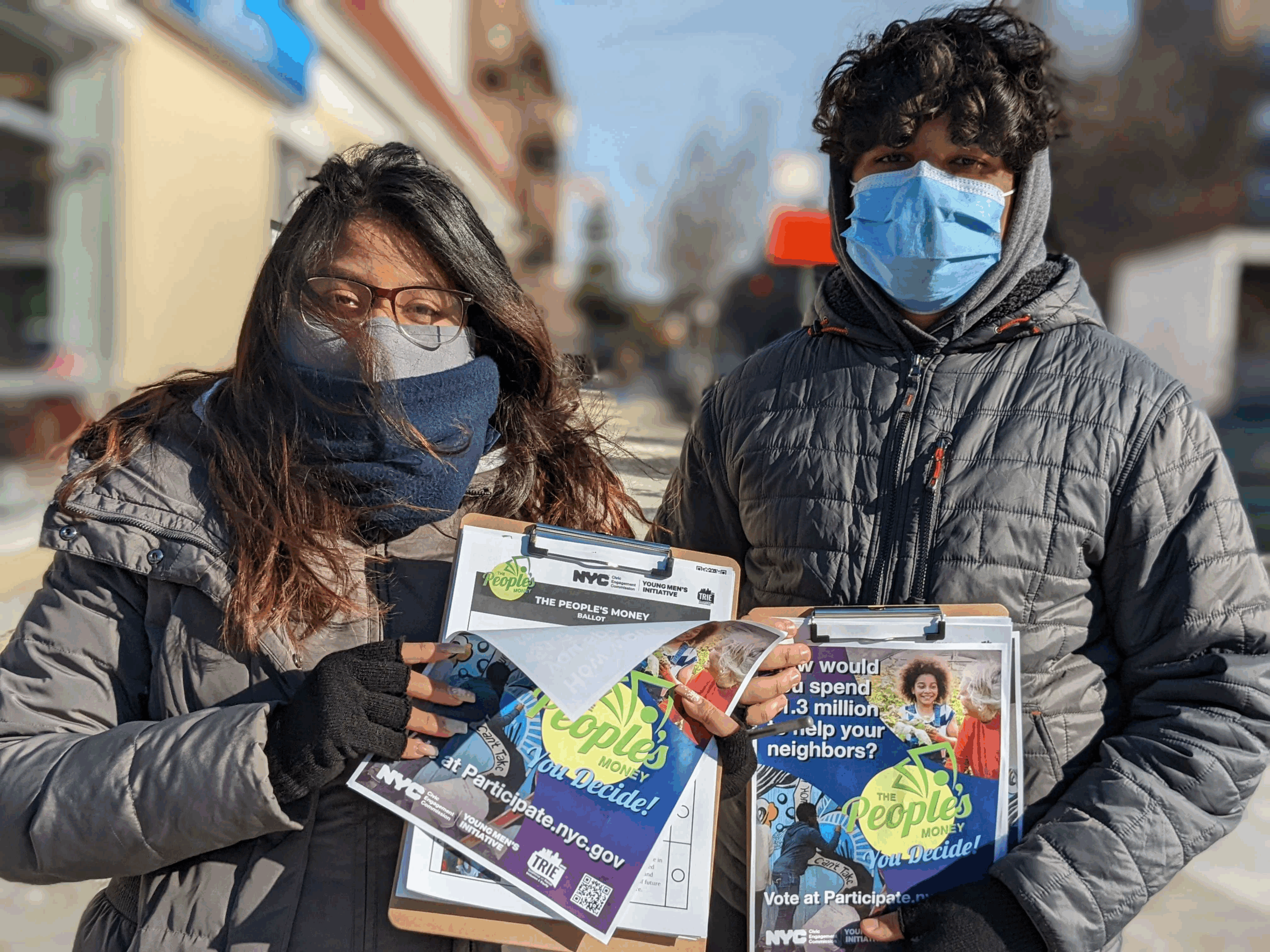
To support meaningful representation, Steering Committee members should reflect the demographics of your community, with a focus on including historically underrepresented and marginalized voices.
Note: We recommend recruiting and selecting your Steering Committee during the planning phase. Once that’s complete, this chapter will guide you in onboarding members and supporting them to design a strong, community-led PB process. Please see our Steering Committee Recruitment and Selection Guide for a refresh on criteria to select the Steering Committee.

Design Phase Goals
Onboard and Orient the Steering Committee
Now that the Steering Committee has been recruited, the focus is on helping members understand the purpose of PB, their role, and feel prepared to make informed decisions on behalf of their community. In their training and orientation, it will be important to spend enough time grounding them in both the technical aspects of the PB process (its history, the timeline, roles), as well as the background information they might need to make specific decisions. For example, if they are deciding on whether the process will use rank-choice voting, it’s important to provide an overview of what rank-choice voting is along with any implications it might carry.
Foster Relationship Building and Cohesion
Equally as important as providing the background information needed for the Steering Committee to make decisions, is providing enough time for committee members to get to know each other. This will help the group feel comfortable and confident in the group agreements they create, so they can navigate difficult conversations as they define the rules that will guide the process.
Help The Group Navigate Conflicts
Having a variety of perspectives and experiences on your Steering Committee is a strength that helps ensure the PB process is inclusive of all community members. Naturally, with diverse viewpoints, disagreements may arise. During the design phase, strong differences may emerge over who can participate or whether conflicts of interest policies are needed. Steering Committee facilitators should be aware of existing community dynamics and local histories of oppression, so they can recognize when these factors influence the conversation. Using a power-conscious lens, which highlights how privilege, oppression, and history shape group conflict, along with trauma-informed paradigms, can be particularly helpful in navigating conflicts that may emerge during the design process.
Develop and Publish the Process Guidebook
The Steering Committee will make key decisions that shape how the process will work. These decisions should be written down in a clear, public-facing guide that reflects the committee’s leadership and the process they’ve designed. This is the guidebook that community members and partners will reference as they draft proposals and vote, so it should be made available in idea collection events, proposal development meetings, voting activities, and in your website. Once you onboard Community Engagement Partners, you can share the guidebook with them so they understand the goals of the process and who can participate.
Connect Community to the Process
As the Steering Committee shapes the PB process, it’s equally important to build awareness and excitement across participating communities. This phase helps community members understand what PB is, who is involved, and how they can participate. With your Steering Committee in place, you can involve them in identifying community organizations to partner with and even enlist their help in outreach to formalize these engagement partnerships. Introducing Steering Committee members to the community is also essential, as it helps build trust in the process

Planning
Planning the design phase involves creating as much clarity as possible for the Steering Committee about their roles, the decisions they’ll make, how meetings will run, and what support structures will be in place to help navigate conflict in ways that foster healing and build trust.
Plan the Decisions the Steering Committee Will Make
Establishing clear expectations about which decisions the Steering Committee will make and which will be made by the government or institution implementing the PB process, is essential for building and maintaining trust. If there are any laws that might prevent the Committee from making certain decisions, it’s important to identify those before the “Writing the Rules” or design phase officially begins.
The decisions the Steering Committee will make during the design phase, often referred to as “the rules,” define how the process will work and who it is designed to center.
As a reminder, all of these decisions should be captured in a guidebook. This shared document doesn’t just list decisions, it makes the process transparent and accessible. It helps participants, community members, and other stakeholders understand what to expect, how to participate, and how the process reflects community priorities.
Below are the decisions we recommend the Steering Committee take on to ensure the process remains community-led:
1. How the Steering Committee Will Make Decisions
To start, the Steering Committee will need to decide how they will make decisions together. This is one of the first and most important steps. Setting clear expectations early helps prevent confusion, builds trust, and makes sure everyone knows what it means to participate.
There are two things the group should decide at the very beginning of the design phase:
Will Quorum Be Needed to Make Decisions In Steering Committee Meetings?
Making a decision by quorum means that a decision can only be made if a minimum number of Steering Committee members are present at the meeting (in order to vote). This helps ensure that choices reflect the voices of the full group, not just a small subset.
For example: If your committee has 15 members, the group might decide that at least 10 need to be present to make a decision. This decision often needs to be balanced with accessibility. Some Steering Committees may recognize that members may face challenges that prevent them from attending every meeting and choose to trust the group to move forward with decisions in their absence. Others decide that, while full attendance isn’t required, efforts should be made to allow members to vote online after meetings. This would essentially be a form of quorum that isn’t live. Whatever approach they take, it’s important to discuss and clarify the implications so the Steering Committee can make an informed decision.
Decision-Making Method
Once the Steering Committee decides if quorum must be met to make decisions, we recommend choosing one decision-making method to use to help decide how to reach a decision once quorum is met.
Here are four common options:
Simple Majority
More than half of members present agree
Example

8 out of 15 members vote yes
SUper Majority
About two-thirds of members present agree
Example
 10 out of 15 members vote yes
Consensus
Everyone present agrees
Example

All 15 give a yes
Consent
No one strongly objects (even if not everyone fully agrees)
Example

12 support, 3 have reservations
There’s no one right way to make decisions. The group should choose a method that feels fair and makes it possible for everyone to participate. Once the committee agrees on how decisions will be made, that same method should be used throughout the design phase.
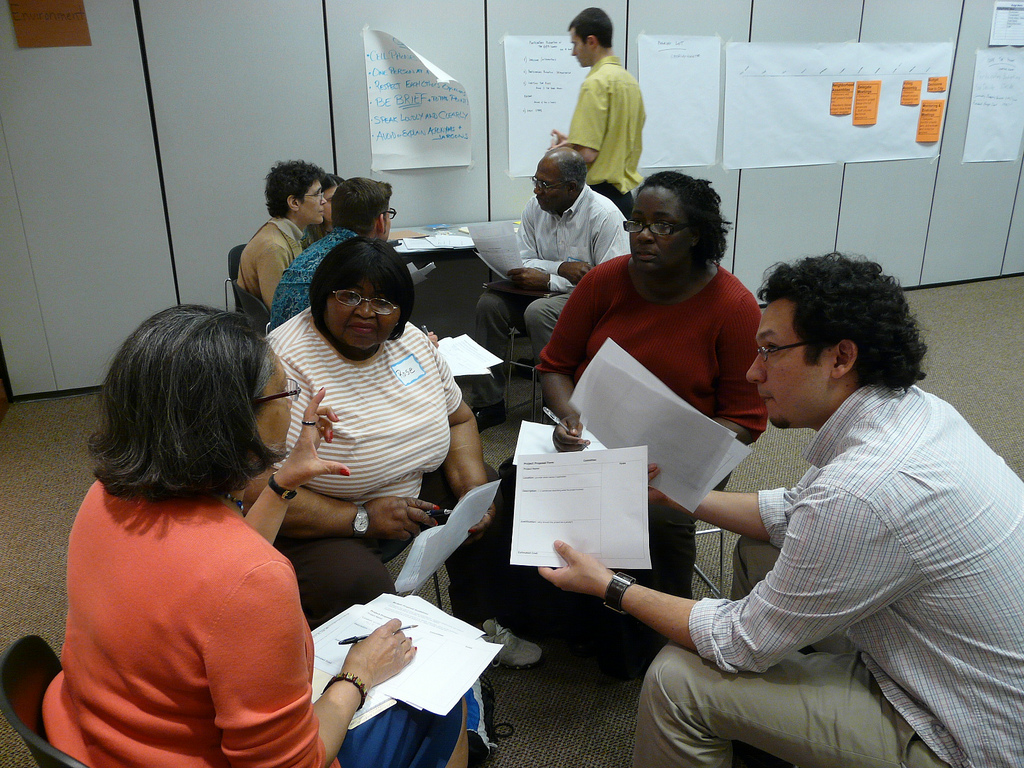
2. Deciding on Values and Goals
Once the Steering Committee has agreed on how decisions will be made, they will usually create shared values and goals.
Values
Values are the shared principles that guide how decisions are made throughout the PB process. They help the group stay focused on what matters most to the community and serve as a check-point to help map the path forward when things get hard or unclear.
The committee should take time to name and agree on a short list of values that reflect the kind of PB process they want to create. Here are some examples:

Accountability
Being transparent, responsible, and open about how decisions are made and why

Inclusion
Making sure everyone, especially those often left out, has a chance to be heard and take part

Community Care
Centering the well-being, safety, and support of all community members throughout the process
Goals
Goals help turn values into action. They give the committee a shared sense of direction. A strong goal should be specific, measurable, and doable within the timeline and capacity of the process.
Here’s an example:
By the end of the PB process, we aim to engage at least 500 community members in deciding how to spend $200,000 on neighborhood improvement projects. We’ll track success through community feedback and work to build shared ownership, trust, and lasting impact.
Goals don’t have to be tied to numbers but they should reflect what the committee hopes to accomplish and how they’ll know if it’s working.
3. Deciding on Participation Eligibility
One of the Steering Committee’s key responsibilities is deciding who can take part in each part of the PB process. This includes:
- Who can propose project ideas during idea collection?
Should this be open to all community members, or limited to specific groups? - Who can help develop and review proposals?
Will Proposal Developers or other roles be open to anyone, or require specific experience? - Who can vote?
What makes someone eligible to cast a vote? Will the process include youth, non-citizens, or people who don’t have formal documentation?
Defining “who can participate” normally includes debates of age and residency requirements. What is the youngest someone can be to share an idea or develop a proposal? Do they need to live in the area or can they also work or play there? These decisions matter. The criteria the Steering Committee sets will shape who shows up, who feels included, and whose voices are reflected in the outcomes.
Sometimes Steering Committees assume that the PB process is too complex for children or youth to participate. It’s important to show examples of children and youth not just participating, but leading PB processes. We’ve seen elementary school students suggest ideas in PB and vote on proposals. In processes like Boston’s ‘Youth Lead the Change’ , young people as young as 14 lead the entire process, including proposal development. It’s important to share these examples with the Steering Committee and provide helpful framing to make sure the goals they have drafted (which are often centered on inclusion) match the participation criteria. It’s easy to accidentally exclude populations (like children) if your Steering Committee does not have representation from every identity, or experience, as people often make assumptions about other’s abilities. Rather than starting from who can’t participate, ask, “What would make it possible for them to take part in this phase?
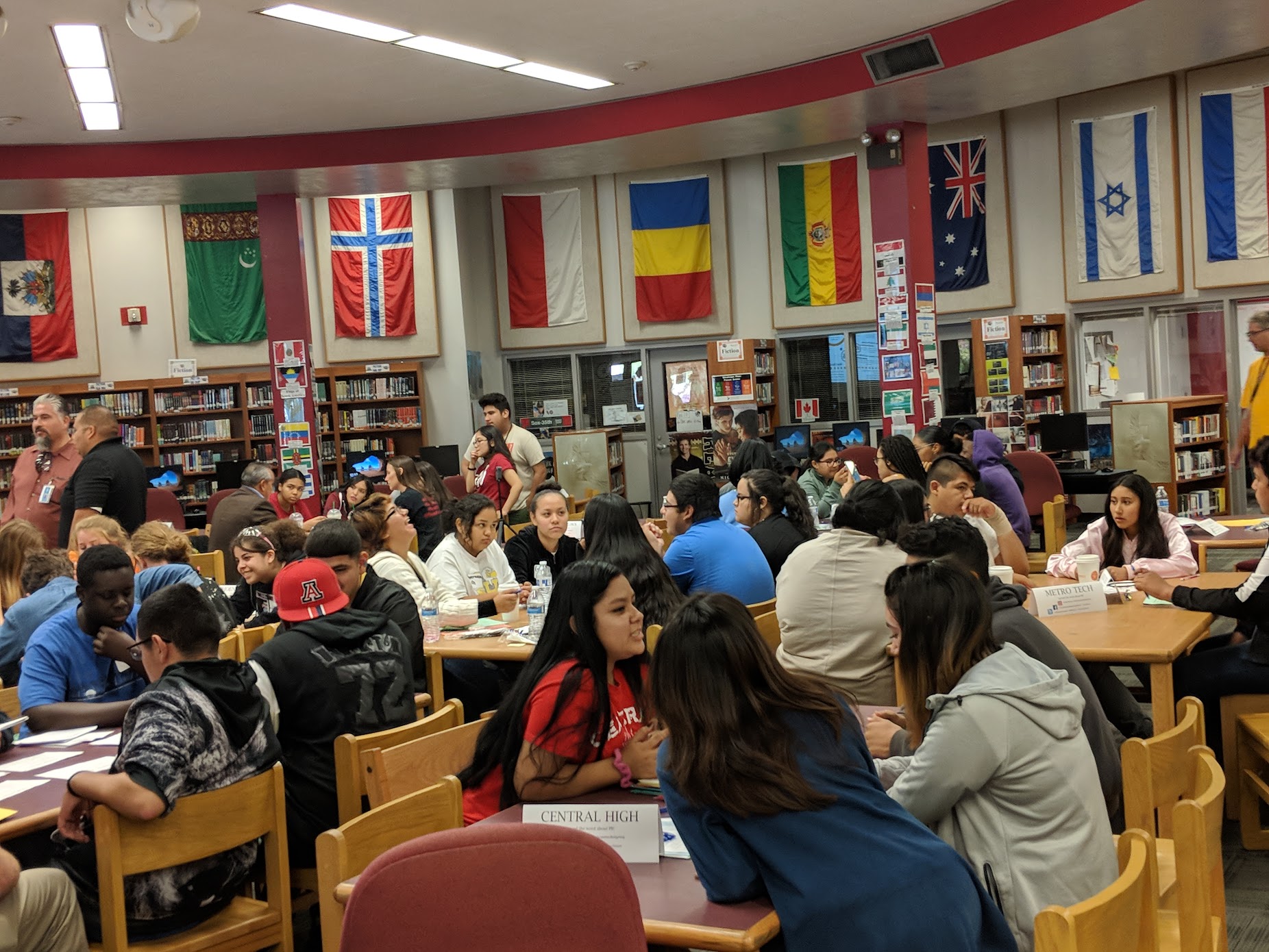
Wider Participation
Wider criteria are more open. They allow more people to take part, even if they don’t meet strict requirements (like age or ID). This approach centers inclusion and helps reach people who may not usually be part of civic decision-making.
Example: Anyone who lives, works, studies, or spends time in the area can vote.
Narrower Participation
Narrower criteria are more limited. They focus participation on a specific group, often those most directly impacted by the decisions being made. This can help ensure resources are shaped by those most affected, but may also limit broader engagement.
Example: Only residents of a specific neighborhood can vote on projects in that area.
4. Voting Decisions
The Steering Committee also helps shape what the voting phase will look like. This means deciding how voting will work and making sure the process is clear and accessible.
Below are the key vote phase decisions Steering Committees typically make:
How many projects will be on the ballot?
Decide how many proposals will be included in the final vote. We recommend 10–15 projects to keep the ballot manageable. This helps voters understand their options and make thoughtful choices without feeling overwhelmed.
How long will voting last?
Set a timeline for the voting period. We recommend keeping voting open for 2-4 weeks to give people time to participate and spread the word.
What happens if something unexpected comes up?
It’s helpful to plan ahead for things like:
- What to do if two projects get the same number of votes (tie-breakers)
- What happens if there isn’t enough funding for every winning project
- Any other issues that could affect how results are handled
Having contingency plans keeps the process fair and transparent.
What voting method will be used?
The Steering Committee typically decides how people will vote. Here are two commonly used options:
- Approval Voting
Voters can select all the projects they support.
Example: Someone can vote for 3 out of 10 projects if they like all of them. - Ranked-Choice Voting
Voters rank the projects in order of preference.
Example: Rank Project A as 1st choice, Project B as 2nd, and so on.
Both are valid options. It’s important they choose a method that feels clearest and most accessible for your community.
The voting method you choose will affect how your online ballot is set up and which platform you can use, since not all platforms support ranked-choice voting. It’s important to discuss options with your technical team and any digital voting platform providers to ensure all voting methods can be supported in both paper and digital ballots, and that your ballot-counting processes will be valid. Make sure these considerations are addressed before presenting the decision to the Steering Committee.
5. Creating an Outreach and Engagement Plan
Once the Steering Committee has made key decisions about how the PB process will work, they typically create a plan to share that process with the community and invite meaningful participation. Because the Steering Committee should be representative of a variety of identities and perspectives in the community, we recommend they guide the outreach and engagement approach. It doesn’t mean the entity implementing the PB process can’t design outreach activities, but the general strategy is typically stronger when the Steering Committee takes lead on guiding the approach, and when it’s a collaboration between the two.
The outreach and engagement plan should be shaped by everything the committee has decided so far, especially values, goals, and participation criteria. This is an opportunity to make sure the process is visible, accessible, and welcoming to the full community, especially to people who are often left out of civic decision-making.
Key Questions to Guide Outreach Approach Design
- How will people find out about the PB process and understand how to get involved?
- What strategies will make participation accessible across languages, literacy levels, and tech access?
- Which neighborhoods, groups, or communities do we need to focus on reaching?
- What barriers might prevent someone from participating, and how can we remove them?
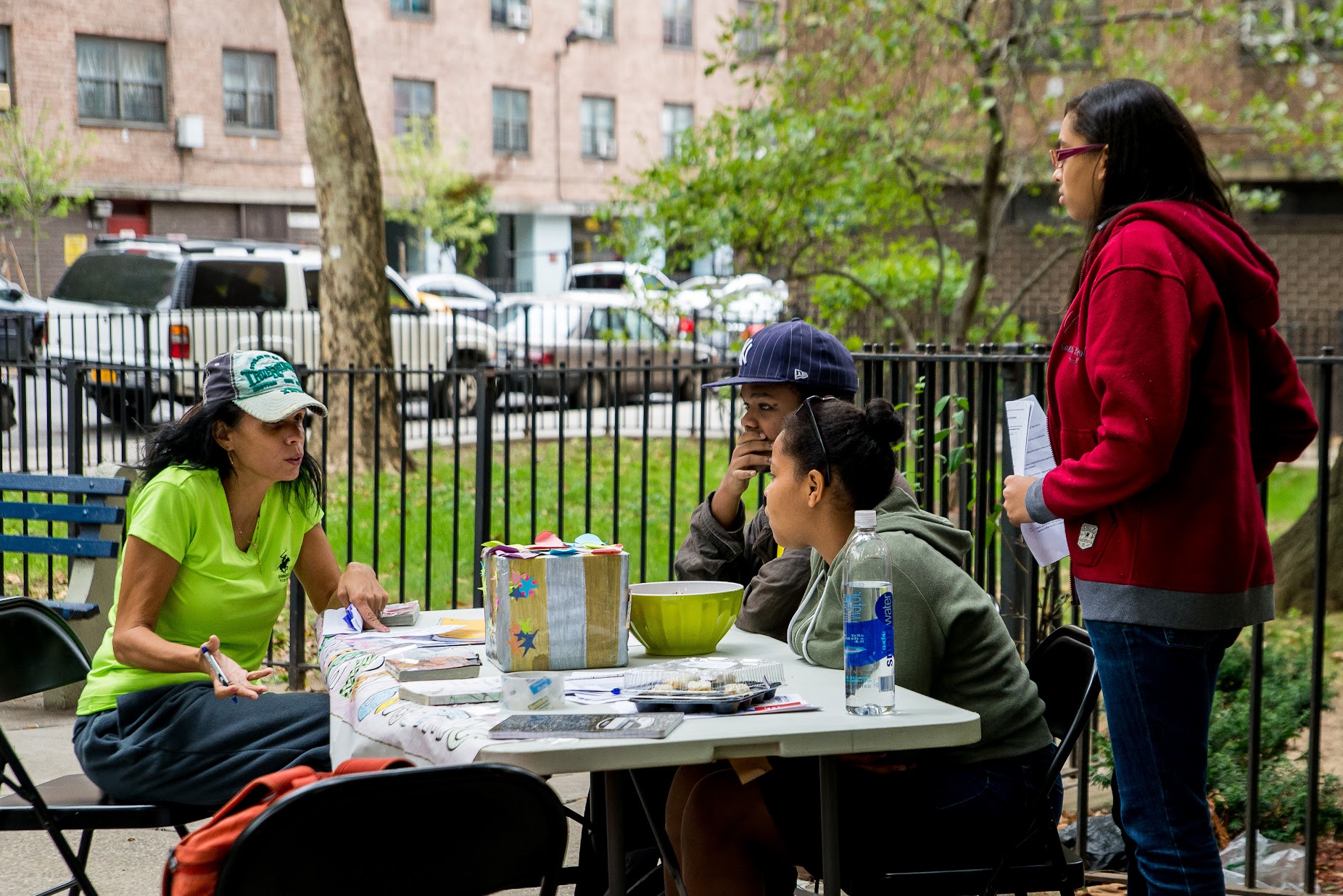
Inclusive Outreach Strategies
- Digital Tools – Social media, messaging apps, email newsletters
- Direct Contact – Phone or text banking, one-on-one conversations
- In-Person Outreach – Canvassing, flyering, tabling at local events
- Community Events – Info sessions, idea collection gatherings, or launch parties tied to voting
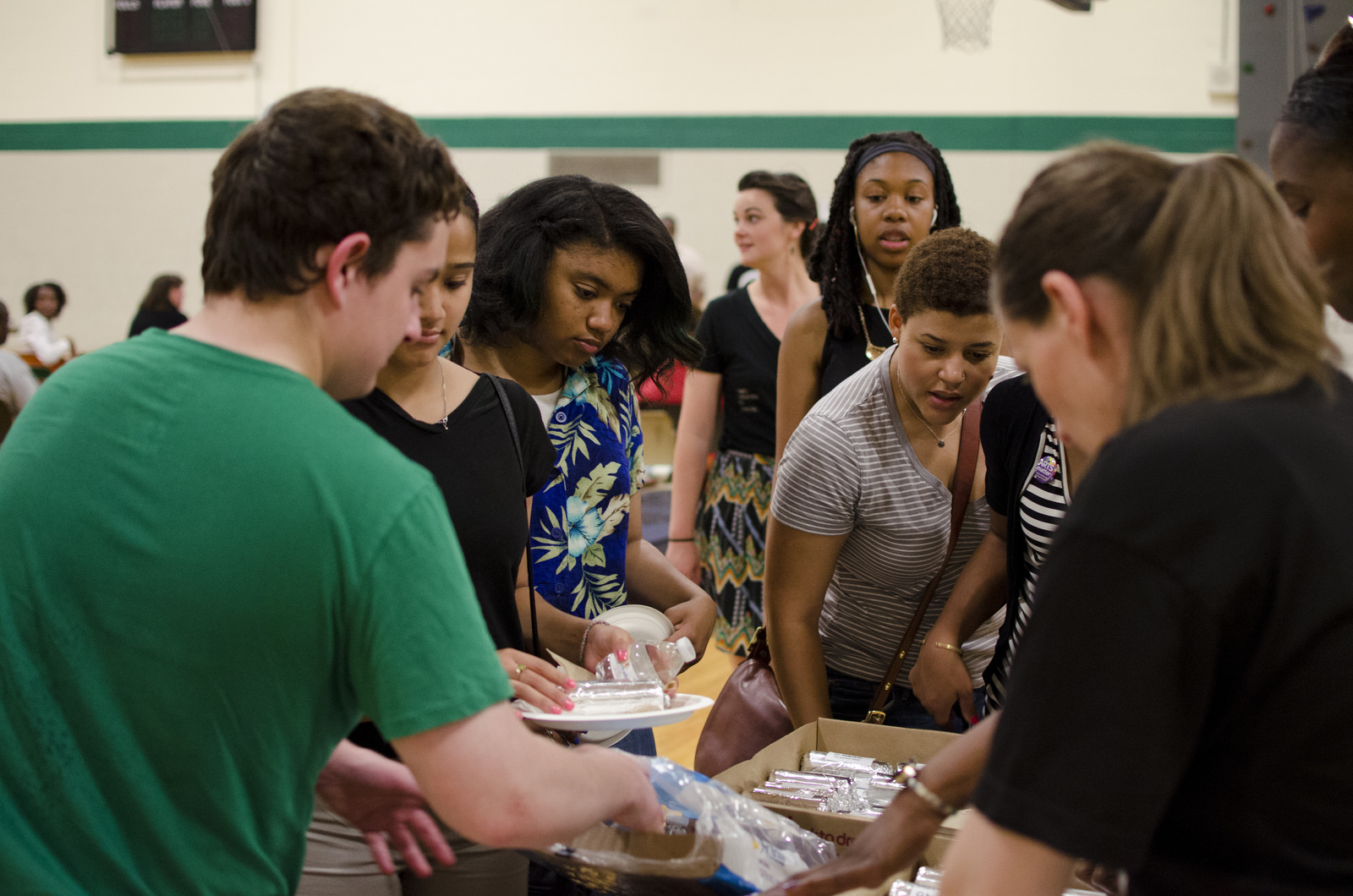
Plan the Steering Committee Meeting Schedule
Once you’ve clarified which decisions the Steering Committee will make, you can begin drafting the meeting schedule. After identifying who the members are and learning about their accessibility needs, decide whether meetings will be held in person or online, and determine their timing and length.
We recommend sending an accessibility survey once Steering Committee members are confirmed to help accommodate their needs and maximize participation. You can check out the Steering Committee Accessibility survey for an adaptable template. When deciding the Steering committee meeting schedule for the design phase, be sure to consider members’ accessibility needs and remember that decision-making in online meetings often takes longer. This can happen because participants may need to reference multiple documents at once, have varying degrees of comfort with digital tools, or experience different levels of internet access. Some may even join by phone. Online meetings also require a more intentional approach to relationship-building to foster the trust needed for thoughtful and nuanced decision-making.
Below is a sample meeting schedule that assumes each meeting is two-hours long to help give you an idea of how you can split sessions. If you opt for shorter meetings, you might need more meetings. You should develop a schedule tailored to your committee’s needs!
Note: The schedule below is just for the Design phase. Once you discuss with the Steering Committee what their role should be throughout the rest of the process, you might decide changing your meeting cadence makes sense.
Meeting #1
Orientation to PB, And Your Role as A Steering Committee Member
- Overview of the PB process
- Decisions they will make & their role
- Logistics
- Team-building
Meeting #2
Deciding On How We’ll Make Decisions & Process Goals
- How The Steering Committee Will Make Decisions
- Decide on Values & Goals of the PB Process
Meeting #3
Deciding on Participant Eligibility
- Review decisions made in other cities regarding participant eligibility
Decide on the following:
- Will we have a wider participation or narrow participation approach?
- Who can propose project ideas during idea collection?
- Who can help develop and review proposals?
- Who can vote?
Meeting #4
Creating An Outreach & Engagement Plan
- What populations is this PB process centering?
- How will people find out about the PB process and understand how to get involved?
- What strategies will make participation accessible across languages, literacy levels, and tech access?
- Which neighborhoods, groups, or communities do we need to focus on reaching?
- What barriers might prevent someone from participating, and how can we remove them?
Meeting #5
Voting Decisions & Voting Methods
Meeting #6
Provide Input on Community Engagement Partner Choices & Decide Steering Committee Involvement Throughout the PB Process
Organize Committee Compensation & Define Process
During the “Preparing for PB” Chapter you learned about the importance of allocating a budget to support participation, including compensation for Steering Committee members. During the design phase you’ll likely use this line item for the very first time. After planning the initial timeline, cross-check the budget allocated for Steering Committee compensation with the meeting schedule to ensure alignment. We recommend confirming that the design phase meetings fit within your budget and assessing how many additional meetings you can fund beyond that with the resources you’ve set aside.
Once you have confirmed you have enough budget to hold a certain number of meetings and identified a cadence that makes sense, you can clarify any processes or requirements your institution might have to deliver this compensation. You can put this on paper so Steering Committee members have clarity on these requirements and know what to expect.

Training
Training during the design phase is really about onboarding the Steering Committee. It’s your opportunity to build a shared understanding of what the PB process is, what’s expected of each person, and how the group will work together.
The onboarding process should clearly outline roles, responsibilities, meeting schedules, and how the group will collaborate throughout the design phase.
Key Roles in the Design Phase

Facilitators
Help guide discussions, support meetings, and provide the tools and information the committee needs to make decisions.
Steering Committee Members
Lead the design of the PB process, make key decisions, and help connect the process to the broader community.

Orientation and Training
To make sure everyone is on the same page, onboarding should include an orientation. The orientation is meant to introduce the PB process, walk through what the committee will be doing, and start building connections among the committee members.
Clarifying Steering Committee Commitments
It’s important to be clear about what’s expected of Steering Committee members from the start. Here are some key things to go over:
- Attendance and Participation
Emphasize the importance of regular attendance and explain how members should communicate if they need to miss a meeting. Encourage active participation to ensure a range of perspectives are heard - Meeting Schedule & Logistics
Share how often the group will meet (weekly or biweekly), how long meetings will last, and where they’ll happen (in person, online, or hybrid). Let members know how agendas will be shared in advance. If you are compensating the Steering Committee you can also discuss how they will be paid. - Working Together
Talk about how the group will stay connected whether by email, phone, or text and agree on how updates will be shared. Share tips for navigating conflict respectfully and highlight available resources (like materials, space, and staff support) to help members feel prepared and supported.

implementing
With your Steering Committee onboarded, the next step is to begin the work of designing the PB process. This is where decisions start to take shape. Your role is to support the committee in working together, making informed decisions, and moving the process forward.
Here are a few key things to keep in mind:
Facilitate Inclusive Decision-Making
- Use accessible materials and multiple formats (e.g., visuals, translated handouts, audio recordings) to support different learning and communication needs.
- Create space for different perspectives and be transparent about how decisions will be made.
Make Meetings Accessible and Culturally Responsive
- Choose meeting formats, times, and spaces that reflect the needs of the committee.
- Honor participants’ cultural norms and communication styles to help everyone feel respected and included.
Navigating Challenges
As the Steering Committee begins making decisions, disagreements or tensions are likely to arise. These may center on questions such as who the process should prioritize, what role the government or institution should play, or how to handle potential conflicts of interest when selecting Community Engagement partners. Because members bring diverse experiences and perspectives, they may feel strongly about certain issues. Below are a few ways to address common challenges:
- Be Clear About Who Decides What
Define decision-making roles ahead of time. What decisions the committee makes, and what decisions lay with staff or facilitators. Clarity upfront prevents confusion and builds trust. - Give Decisions the Time They Deserve
Avoid rushing the process. Build in enough time for the committee to reflect, ask questions, and move at a pace that honors trust-building. - Approach Conflict with Care
Conflict is natural in any group space. Set group agreements early that center respect, active listening, and shared accountability. When tensions arise, use them as an opportunity to deepen relationships and strengthen the group’s ability to work together.


Looking Ahead
You’ve made it through the Design Phase! You’ve designed a process that supports community decision-making from the very beginning. By guiding the Steering Committee through key decisions, you’ve helped build a foundation for a participatory budgeting process rooted in community priorities, values, and vision.
Now, the decisions captured in the guidebook will become a blueprint for what’s next. Sharing that guide broadly with community members, government partners, and other stakeholders helps build trust, reinforce transparency, and make the process more accessible to all.
As you move into Idea Collection, the groundwork you’ve laid will shape how people engage. You don’t need to have everything figured out yet, but this is a good time to start asking questions and having early conversations:
- How might the outreach plan come to life?
- What tools will you use to collect ideas?
- How will you ensure accessibility?
- Who else needs to be involved?
What kind of support will people need to participate meaningfully?
And if some Steering Committee members want to stay involved, you can refer to the Sustaining Steering Committee Engagement resource for optional ways to keep them connected.
Resources
Steering Committee Accessibility Survey
You can use this template accessibility survey (once your Steering Committee is formed and before you hold your first meeting) to identify what needs they may have to make your meetings as accessible as possible for this group.
Steering Committee Decision-Making Guide
The Steering Committee Decision Making Guide provides an overview of different methods Steering Committees can choose to make decisions. From supermajority to consent, you’ll get a quick overview of the pros and cons of each approach, and insights about the way these different methods have worked across different PB processes. This overview provides the context necessary to ensure your Steering Committee understands the implications before choosing a decision-making method for their meetings.
Sustaining Steering Committee Engagement Tips
Use these tips to learn how you can keep your Steering Committee engaged beyond the design phase.